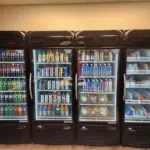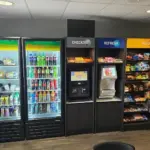
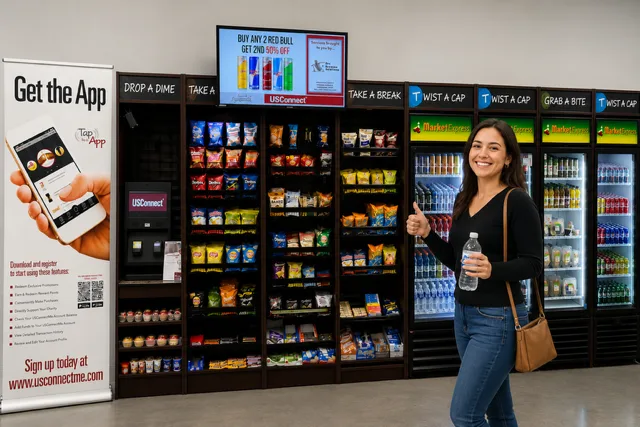
A workplace vending selection should reflect more than the most familiar snack and drink choices. Employees have different tastes, routines, dietary considerations, and reasons for making a purchase. Some may want a quick sweet treat between meetings, while others look for a filling snack, a bottle of water, or an alternative to carbonated drinks. A vending assortment that relies too heavily on a few standard products may not serve these different preferences.
Introducing healthy vending options does not mean removing chips, cookies, or other familiar favorites. A more practical approach is to build a balanced selection that gives employees additional choices while retaining products they already enjoy. Businesses can achieve this by reviewing purchasing patterns, introducing different product categories, and making adjustments based on actual demand.
Start With the Choices Employees Already Make
Before changing a vending assortment, look at what employees currently purchase. Sales patterns can reveal which products consistently perform well, which sell occasionally, and which remain untouched. This information provides a useful starting point for deciding what to retain, replace, or introduce. For example, if packaged chips and chocolate bars sell consistently, removing them entirely could frustrate regular customers. Instead, businesses can add alternatives such as portion-controlled snacks, nut-based products, whole-grain crackers, or baked options alongside existing favorites.
Employee feedback can also help identify gaps. A short survey or informal request process may reveal demand for particular beverages, savory snacks, or products that accommodate common dietary preferences. However, purchasing data should remain part of the decision. An item employees request but rarely buy may not deserve as much shelf space as a consistently popular product. The objective is to create a selection that reflects both stated preferences and actual purchasing behavior.
Introduce More Than One Type of Better-for-You Snack
A varied vending assortment should not treat all better-for-you products as one category. Employees may have different expectations about what makes a snack suitable for them, so offering several types creates a more meaningful choice.
Consider including:
-
Nut and seed snacks: Individually packaged nuts, trail mixes, and seed-based products can provide alternatives to conventional salty snacks.
-
Whole-grain options: Whole-grain crackers and similar packaged products offer a different choice for employees who prefer them.
-
Dried fruit: Raisins, dried apricots, and other packaged fruit options add variety to the sweet snack category.
-
Protein-focused snacks: Products such as packaged nuts or suitable protein bars can appeal to employees looking for a more substantial snack.
-
Portion-conscious products: Smaller packages give employees an alternative to larger snack servings without removing traditional options.
Product labels matter when evaluating these categories. Ingredients, serving sizes, added sugars, sodium, allergens, and nutritional information can differ considerably between products that appear similar. Avoid assuming that a product is automatically a healthier choice because its packaging uses terms such as natural, protein-rich, or multigrain.
Give Water and Alternative Beverages More Attention
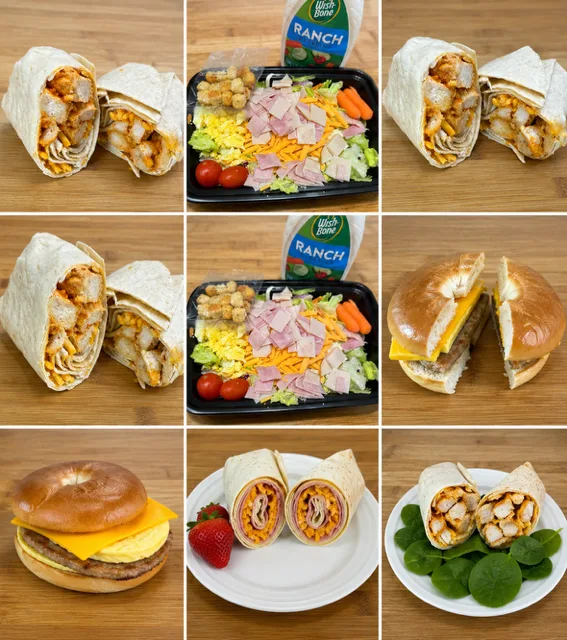
Snack variety is only one part of a workplace vending selection. Beverage choices deserve equal consideration, particularly in offices, warehouses, and facilities where employees may purchase drinks throughout their shifts.
Bottled water offers a straightforward option for people who don’t want flavored or carbonated beverages. Depending on employee preferences and available products, businesses can also consider sparkling water, unsweetened drinks, lower-sugar beverages, and other alternatives to conventional soda.
The aim is not to eliminate soft drinks or replace every familiar beverage. Instead, make sure employees have options when they want something different. A vending machine stocked almost entirely with sweetened drinks gives customers limited flexibility, even if its snack selection is varied.
Businesses should also consider package sizes. Smaller bottles may suit short breaks, while larger water bottles can be more practical for employees who spend extended periods away from their desks. Product placement and capacity should reflect the beverages employees are most likely to purchase.
Account for Dietary Preferences Without Making the Selection Complicated
An inclusive vending assortment considers that employees may avoid certain ingredients for personal, cultural, or dietary reasons. Some may prefer vegetarian snacks, while others look for gluten-free products or options without particular allergens. Businesses do not need to create a separate section for every dietary requirement. A few carefully selected products can make the overall assortment more accommodating.
When reviewing potential additions, check ingredient lists and allergen statements rather than relying on broad product descriptions. For example, a snack marketed as plant-based may still contain ingredients that some employees avoid. Similarly, products labeled gluten-free or dairy-free should be selected based on their actual packaging and relevant certification or labeling. Clear product information also helps employees make their own decisions. Where possible, keep packaging visible and avoid placing products in ways that conceal important ingredient or allergen details.
Let Purchasing Trends Guide Future Changes
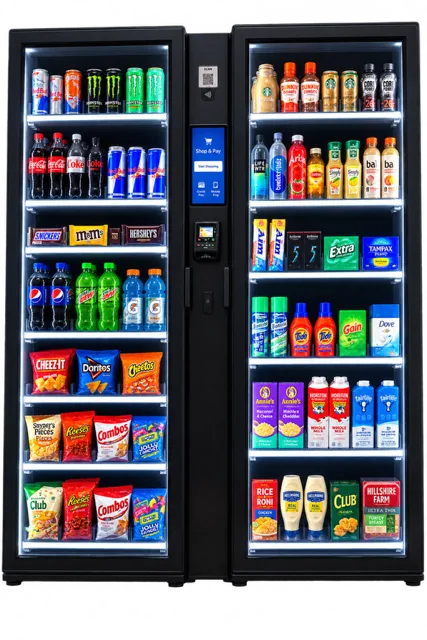
A vending assortment should not remain fixed simply because its original selection worked well. Employee preferences can change with seasons, staffing levels, work schedules, and the introduction of new products.
Review sales reports to identify consistent sellers, slow-moving items, and categories with room for expansion. If water sells quickly but alternative beverages remain untouched, the next adjustment should reflect that difference. Likewise, a new snack should be evaluated over a reasonable period before being considered a permanent addition.
It is useful to introduce a few new products at a time rather than replacing a large portion of the assortment at once. This makes it easier to understand which additions employees actually prefer. It also reduces the likelihood of filling limited machine capacity with products that do not sell.
Businesses should discuss replenishment frequency with their vending provider as well. Popular products need sufficient stock, while less familiar additions may require smaller initial quantities. The right balance helps maintain variety without creating unnecessary product waste or repeated shortages.
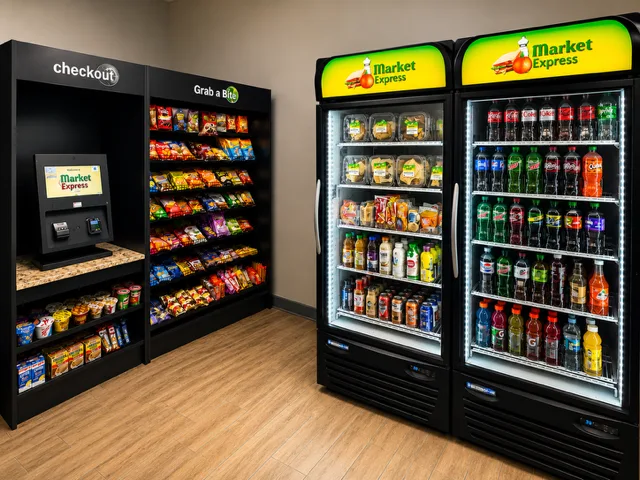
At The Vending Station, we help businesses create workplace refreshment programs that reflect different tastes and purchasing habits. Our healthy vending options can introduce better-for-you snacks and beverage alternatives while keeping familiar favorites in the selection. We also provide vending machine services for workplaces that need convenient access to everyday refreshments. Businesses can explore our break room vending services for a selection suited to their employees and location. For workplaces looking to expand beyond traditional machines, our micro market vending services offer additional room for snacks, beverages, and fresh food. Serving Orlando, Daytona Beach, Gainesville, Jacksonville, Lakeland, Ocala, Tampa, West Palm Beach, Leesburg, Davenport, Melbourne, Orange County, Plant City, Haines City, Polk County, Winter Haven, St. Augustine, Seminole County, St. Lucie County, and Cocoa Beach, we can help you plan a selection that makes sense for your team.
Reach out to us now.